Growth projected for the timber laminating adhesives market
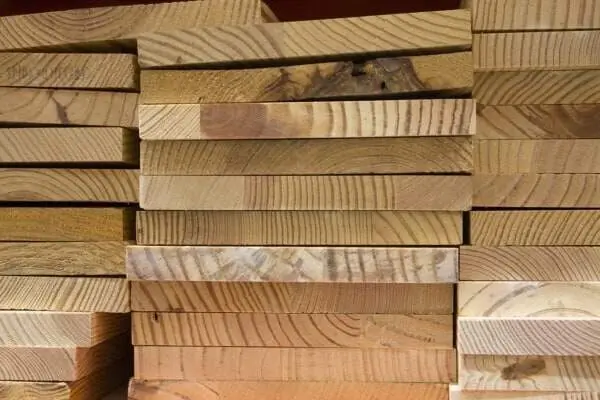
Cross laminated timber & glulam becoming more popular
As wood is becoming ever more desired as a construction material, the demand for cross laminated timber (CLT) and glued laminated timber, better known as glulam, is growing. The cross laminated timber market is expected to grow a CAGR of 9.1% up until 2024. Similarly, the glulam market is likely to experience growth at a CAGR rate of 5.9% till 2025. Consequently, the adhesives used for laminating timber are gaining more market share.
Key drivers for growth in the timber laminating market
The reason behind the market growth is the growing desire to replace concrete and steel structures with wooden alternatives, as wood is a more sustainable building material, and does not compromise on strength. Besides being sustainable, wood is also lighter in weight than the alternatives, and cross laminated timber and glulam are stronger than solid wood.
The versatile uses of CLT and glulam
Cross laminated timber and glulam use a range of adhesives including melamine (urea) formaldehyde, phenol resorcinol formaldehyde and polyurethane based products. Engineered wood using these systems are suitable for use as load bearing structures and other beams in walls, floors, frames and roofs.
Frequently asked questions
What does this historical news article report?
At its publication in July 2019, the article reported: As wood is becoming ever more desired as a construction material, the demand for cross laminated timber (CLT) and glued laminated timber, better known as glulam, is growing. The cross laminated timber market is expected to grow a CAGR of 9.1% up until 2024. Similarly, the glulam market is likely to experience growth at a CAGR rate of 5.9% till 2025. Consequently, the adhesives used for laminating timber are gaining more market share.
How should I use this report for a current project?
This is a historical news report. Check current product specifications, market data and supporting documentation before using it for a present-day project. The original publication date provides context for any forecasts or announcements. Discuss your application with us.
What solution are you looking for?
We are specialized in the growth projected for the timber laminating adhesives market. Need the best products or advice? Then please leave your details and we will get in touch.