Coating for fruit and vegetables
A VEGAN, PLANT-BASED COATING AS AN ALTERNATIVE TO SHELLAC AND PLASTIC
Fruit and vegetables need protection. They have to stay fresh, look attractive and remain in good condition during storage, transport and retail display. That is why coatings continue to play an important role in the fresh produce chain.
For years, shellac and plastic have been used for that purpose. But many growers, retailers and food businesses are now looking for a better alternative.
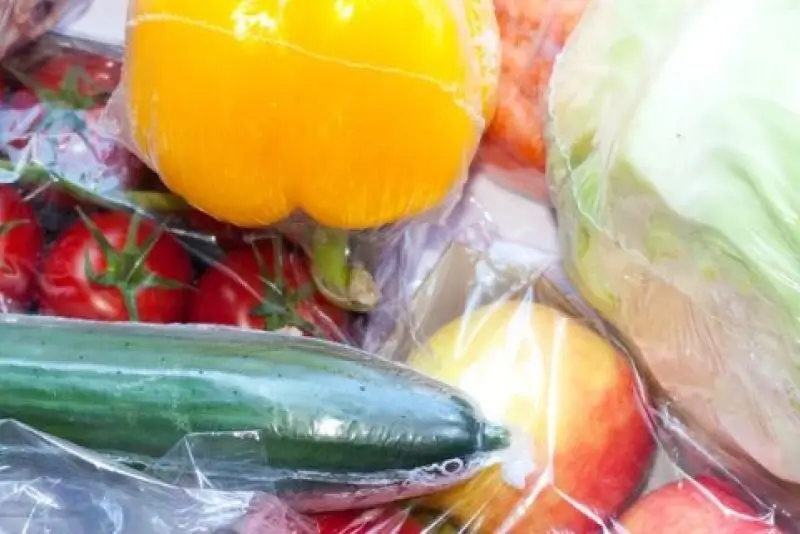
Plastic is under pressure because of its environmental impact. Shellac may be better than plastic in some applications, but it is still an animal-derived coating and does not fit every product strategy or market expectation.
That is why more companies are now searching for a shellac alternative for fruit and vegetables.
A vegan plant-based coating offers a solution that helps protect fresh produce, supports shelf life and contributes to an attractive appearance. At the same time, it gives businesses an alternative to both shellac and plastic in suitable applications.
Contact us about plant-based coating
This page focuses specifically on coatings for fresh fruit and vegetables.
If you are looking for a vegan glaze for sweets, jelly beans, chewing gum, dragees or chocolate-coated products, see our separate page about shellac alternative for confectionery glaze.
How a plant-based coating works on fresh produce
Fresh produce continues to change after harvest. Fruit and vegetables can lose moisture, lose visual quality and become less attractive during storage, transport and retail display.
A plant-based coating can help create a thin protective layer on suitable produce. Depending on the product and application method, this layer can help support:
- reduced moisture loss
- better visual appearance
- surface protection during handling
- shelf-life support
- reduced reliance on plastic packaging in suitable cases
- a more transparent ingredient story than shellac
The exact performance depends on the produce type, coating formulation, application method, drying conditions and supply chain requirements.
Post-harvest coating for fruit and vegetables
A produce coating is usually part of a post-harvest process. The product may be washed, dried, coated and packed before it enters storage, transport or retail.
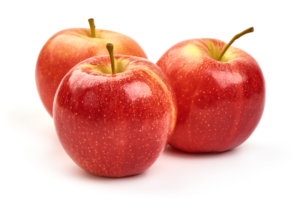
For firm produce such as apples, citrus fruits, cucumbers, peppers or avocados, a coating can help maintain appearance and reduce quality loss during the supply chain.
A corn protein coating is especially relevant for businesses looking for a plant-based alternative to conventional shellac or plastic-based protection in suitable applications.
WHY MORE COMPANIES ARE LOOKING BEYOND SHELLAC AND PLASTIC
The fresh produce sector is changing. Products still need to be protected, but the way companies think about protection is no longer the same as it used to be.
Growers and retailers are under pressure to reduce plastic where possible. At the same time, they want solutions that fit better with modern sustainability goals, changing customer expectations and a more transparent ingredient story.
That is where shellac starts to raise questions.
Shellac is often presented as a natural solution, but it is not plant-based. For businesses that want to move toward more vegan-friendly, conscious or future-focused solutions, shellac is not always the right fit anymore.
A plant-based coating offers a more modern direction.
Fresh produce coatings are part of a broader group of coating solutions used to improve surface protection, product appearance and material performance.
WHY SHELLAC IS NO LONGER THE RIGHT CHOICE FOR EVERY APPLICATION
Shellac is animal-derived
Shellac is made from the resin secreted by the lac insect. That means it is not vegan and not plant-based. For many companies, that alone is already a reason to look for an alternative.
Shellac does not always fit modern product positioning
More businesses want products that fit current expectations around transparency, sustainability and ingredient choice. An insect-derived coating does not always support that direction.
Shellac can make ingredient communication more difficult
Retailers, brand owners and product developers increasingly want solutions that are easier to explain. A plant-based coating is often more straightforward to position than shellac.
Shellac may not support future innovation as well as a plant-based coating
If a company wants to move toward more conscious, vegan-friendly or environmentally responsible product development, shellac can become a limiting ingredient.
WHY PLASTIC IS ALSO UNDER PRESSURE
Plastic packaging has been widely used in fresh produce because it protects products and helps support shelf life. But the disadvantages are obvious. More businesses want to reduce conventional plastic use wherever possible and explore alternatives that better align with sustainability goals.
That does not mean every plastic application can simply disappear overnight. But it does mean there is increasing interest in complementary or alternative solutions that can help reduce dependence on plastic in the right situations.
A plant-based coating can be one of those solutions.
WHY A PLANT-BASED COATING MAKES SENSE
Moving to a plant-based coating is not only about replacing shellac. It is also about choosing a solution that better fits the direction of the market.
Better fit for plant-based strategies
A plant-based coating makes it a better fit for businesses that want to reduce the use of animal-derived ingredients.
Better support for sustainability goals
For companies looking for bio-based and biodegradable solutions, plant-based coating offers a more natural path forward than shellac or conventional plastic.
Easier to position in the market
A plant-based coating is easier to explain in a modern product story focused on transparency, progress and responsible choices.
Better aligned with long-term product strategy
For businesses that want to build a more future-ready produce proposition, a plant-based coating offers a stronger strategic fit.
WHAT A GOOD COATING FOR FRUIT AND VEGETABLES SHOULD DO
A fruit and vegetable coating has to do more than sound sustainable. It also needs to perform well in practice.
A good coating should help with:
- reducing moisture loss
- supporting shelf life
- protecting the product surface
- maintaining a fresh and attractive appearance
- improving handling and presentation
- fitting realistic production and application methods
That is why the best alternative to shellac or plastic is not just the one with the best claim. It is the one that supports both performance and market needs.
THE ALTERNATIVE TO SHELLAC: A PLANT-BASED COATING WITH A MODERN FIT
Plant-based coating is an alternative to shellac for fruit and vegetables. It can also help businesses that want to reduce their reliance on plastic-based protective solutions in suitable applications.
This coating forms a protective layer around the produce and helps support both shelf life and appearance. At the same time, it provides a more modern ingredient profile for businesses looking for a vegan, bio-based and biodegradable solution.
For many growers, retailers and food businesses, that makes corn protein coating a logical next step.
Key advantages of plant-based coating
- Vegan
- Non-GMO
- OU Kosher
- Gluten-free
- Lactose free
- Bio-based
- Biodegradable
WHY PLANT-BASED COATING IS A STRONG ALTERNATIVE TO SHELLAC
Plant-based source
Unlike shellac, plant-based is not insect-derived. That makes it easier to align with vegan-friendly and green product strategies.
Attractive product appearance
A good coating helps fruit and vegetables look fresh, healthy and appealing. Plant-based coating supports that visual quality.
Product protection
Fresh produce needs support during storage, transport and retail presentation. A protective coating helps contribute to that.
Better fit for modern market expectations
A plant-based coating supports a more transparent, responsible and future-oriented product story than shellac.
SUITABLE FOR MANY TYPES OF FRUIT AND VEGETABLES
Plant-based coating can be applied to many types of fresh produce.
Examples include:
- apples
- bananas
- citrus fruits
- tangerines
- cucumbers
- peppers
- avocados
- broccoli
- potatoes
- many other firm fresh produce products
For leafy vegetables, the commercial fit may be less obvious in some cases. Not because coating is impossible, but because the final visual effect may not always match what consumers expect.
APPLICATION METHODS
Depending on the product and the process, plant-based coating can be applied through methods such as:
- spraying
- dipping
- brushing
- curtain coating
Depending on the application, the coating can be supplied as:
- liquid
- ready-to-use coating
- water-soluble powder
- powder for formulation use
SHELLAC VS PLANT-BASED COATING
| Feature | Shellac | Plant-based coating |
| Source | Insect-derived | Plant-based |
| Vegan fit | No | Yes |
| Ingredient story | More difficult to explain | Easier to position |
| Fit for modern sustainability goals | Limited | Stronger |
| Product appearance | Yes | Yes |
| Product protection | Yes | Yes |
| Future-ready positioning | More limited | Better aligned |
PLASTIC VS PLANT-BASED COATING
| Feature | Plastic-based solution | Plant-based coating |
| Material type | Conventional packaging material | Plant-based coating |
| Sustainability perception | Under pressure | Better aligned with current expectations |
| Product protection | Yes | Yes, depending on application |
| Shelf life support | Yes | Yes, depending on application |
| Biodegradable profile | Usually limited | Stronger fit |
| Fit with reduced-plastic strategies | Limited | Stronger |
A SMARTER STEP FORWARD FOR FRESH PRODUCE
Moving away from shellac or reducing reliance on plastic is not only about replacing a material. It is about making a better choice for where the market is going.
A switch to plant-based coating can help businesses:
- reduce dependence on shellac
- support reduced-plastic strategies
- strengthen plant-based positioning
- improve ingredient transparency
- align with sustainability goals
- build a more future-ready produce strategy
For companies that want protection, appearance and a stronger long-term market fit, corn protein coating is a serious alternative worth exploring.
READY TO EXPLORE A SHELLAC ALTERNATIVE FOR FRUIT AND VEGETABLES?
Are you looking for a plant-based coating for fresh produce? Interested in a vegan plant-based coating as an alternative to shellac and plastic?
We help businesses explore the right coating solution for their fresh produce application, process and commercial goals.
Request information about produce coating
FAQ
What is a coating for fruit and vegetables?
A coating for fruit and vegetables is a thin protective layer applied to suitable fresh produce after harvest. It can help support appearance, reduce moisture loss and protect the product during handling, transport and retail display.
Can a plant-based coating help extend shelf life?
A plant-based coating can help support shelf life in suitable applications, but the result depends on the produce type, coating formulation, application method, storage conditions and supply chain.
Is plant-based coating an alternative to shellac for fruit?
Yes, plant-based coating can be considered as a plant-based alternative to shellac for selected fruit and vegetable applications where a vegan or more transparent ingredient story is desired.
Can fruit and vegetable coatings replace plastic packaging?
In some suitable applications, coatings can help reduce reliance on plastic packaging, but they do not automatically replace every form of packaging. The right solution depends on the product, protection requirements, logistics and retail conditions.
Which fruit and vegetables are most suitable for coating?
Firm produce such as apples, citrus fruits, cucumbers, peppers and avocados may be more suitable than delicate leafy vegetables. Suitability should always be tested per product and process.
How is a coating applied to fresh produce?
Depending on the product and process, coatings may be applied by spraying, dipping or brushing. The produce type, surface condition, drying process and required performance determine the best application method.
Is a produce coating the same as confectionery glaze?
No. A confectionery glaze is mainly used for sweets, chewing gum, jelly beans, dragees and coated products. A produce coating is designed for fresh fruit and vegetables, where moisture loss, appearance and post-harvest handling are more important.
Produce coating or confectionery glaze?
Plant-based coating can be used in different coating applications, but the performance requirements are not the same.
For fruit and vegetables, the main focus is on moisture loss, appearance, shelf-life support, post-harvest handling and reducing reliance on shellac or plastic in suitable applications.
For confectionery, the focus is usually on gloss, smoothness, reduced stickiness, panning, polishing and vegan replacement of confectioner’s glaze / E904.
This page is about coatings for fresh produce. For sweets and coated confectionery products, visit our page about shellac alternative for confectionery glaze.
LOOKING FOR THE RIGHT PRODUCE COATING?
Looking for a plant-based coating for fresh produce?
Are you exploring alternatives to shellac or plastic for fruit and vegetables?
We can help you evaluate whether a plant-based coating is suitable for your produce type, application method and supply chain requirements.
Tell us more about the product, current protection method, desired shelf-life improvement and handling conditions.
Contact us for coating advice
What solution are you looking for?
We are specialized in the coating for fruit and vegetables. Need the best products or advice? Then please leave your details and we will get in touch.